HEALTH:
How Much is Too Much?
Hazards of Alcohol
The safest level of alcoholic consumption is none at all. If one does drink, though, the key is moderation and enjoying a glass of wine or beer responsibly, writes Tat S. Lam, MD.
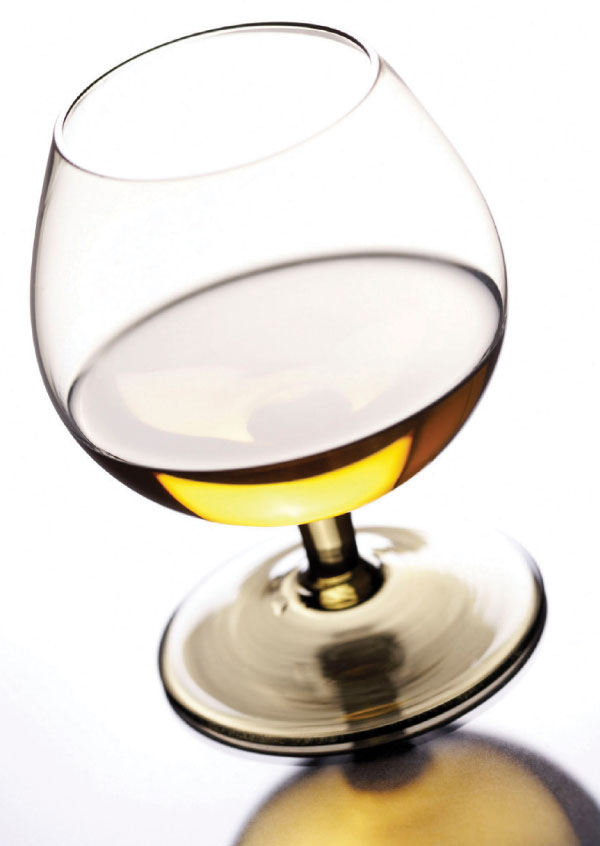
The holidays are here, which means alcoholic beverages are going to show up on our tables more often in the days ahead. But before we begin to binge, let’s explore the impact of alcohol on our bodies.
Unlike other drinks, alcoholic beverages get absorbed directly through the stomach and into our blood stream, not through our intestines. This explains why we quickly feel its effect. Once in the bloodstream, alcohol travels to the liver where it’s metabolized before it reaches our brain.
In the brain, alcohol eases our “inhibitions,” giving us a sense of relaxation and excitement. We begin to dare to do things we ordinarily wouldn’t. As more alcohol enters the bloodstream, our vision, hearing and other sense perceptions become impaired. Getting behind the wheel in this condition is downright dangerous.
Many people think drinking coffee or tea will neutralize the effects of alcohol — but that’s not the case. While the caffeine jolt might make the person more alert, sense perceptions are still blunted.
Alcohol by itself is not a bad thing. French researchers have recommended drinking one glass of red wine daily, pointing to its ability to increase the good cholesterol, or HDL, in our bloodstream. Researchers recently discovered anti-oxidant properties of red wine as well.
But even the French warn against overdrinking. Just as inhaling pure oxygen for a long period of time can actually injure the lungs, drinking red wine in excess is harmful as well. And HDL can just as easily, and far more safely, be increased with exercise.
The liver is one of the most resilient organs in our body. It can regenerate back to its full functional capacity even after as much as 90 percent of its tissue has been damaged. Nevertheless, frequent alcohol intake can scar liver cells. This scarring is called cirrhosis. Scar tissue can’t make protein, fight infections, clean the blood and store energy like healthy liver tissue does. Alcohol can also seriously damage other organs, such as the pancreas, esophagus, stomach, brain, nerves, and heart.
Avoid fighting a hangover with acetaminophen-based painkillers, such as Tylenol. While Tylenol is generally safe, the liver still has to metabolize it. But remember, your liver is already working hard to detoxify the alcohol. Now it has to go into overdrive and work on both the alcohol and the Tylenol.
Every person metabolizes alcohol differently, depending on body size and even among different ethnicities. Southeast and East Asian ethnic groups do not metabolize alcohol well, for example, even though in many of these cultures alcohol is the medium for delivering herbal medicines. Get to know your limits by listening to your body.
What then is the safest level of alcoholic consumption? My answer would be none at all. But the key is moderation and enjoying that glass of wine or beer responsibly.
 Tat S. Lam, MD, is a family physician at the Bilingual Chinese Service/Montebello MOB, a joint project of Los Angeles and Baldwin Park Medical Centers of Kaiser Permanente. Tat S. Lam, MD, is a family physician at the Bilingual Chinese Service/Montebello MOB, a joint project of Los Angeles and Baldwin Park Medical Centers of Kaiser Permanente.
|
 !-- Start Alexa Certify Javascript -->